


How does internal mixing ensure even dispersion in XLPE cable materials?
Release Time : 2026-05-19
The production of high-performance cross-linked polyethylene XLPE cable materials is a sophisticated process where material consistency directly dictates the safety and longevity of the final product. At the heart of this manufacturing process lies the internal mixing stage, a critical operation that ensures the even dispersion of various components within the polymer matrix. By subjecting raw materials to precisely controlled shear forces, thermal energy, and mechanical compression, internal mixing transforms a simple blend of polyethylene resin, cross-linking agents, antioxidants, and other additives into a highly stable and homogeneous compound. This meticulous homogenization is fundamental to achieving the superior electrical, mechanical, and thermal properties required for modern electronic wire products.
Internal mixing begins with the precise introduction of raw ingredients into the sealed chamber of an internal mixer, such as a Banbury mixer or a similar high-intensity compounding device. Unlike simple blending methods, the internal mixer utilizes two counter-rotating rotors with complex geometries. As these rotors turn, they force the solid polyethylene pellets and powdered additives through narrow clearances between the rotors and the chamber walls. This action generates intense shear stress and frictional heat, which rapidly melts the polymer base and breaks down agglomerates of solid additives. The chaotic yet controlled flow patterns created by the rotors ensure that every particle of antioxidant, flame retardant, or cross-linking agent is thoroughly wetted by the molten polyethylene, preventing the formation of dry spots or unmixed pockets.
A key advantage of internal mixing for XLPE materials is its ability to manage thermal history and prevent premature cross-linking, often referred to as "scorch." The mixing chamber is equipped with advanced cooling systems that allow operators to maintain the melt temperature within a very specific window. This is crucial because XLPE formulations contain chemical cross-linking agents that can activate if exposed to excessive heat for too long. By carefully balancing the heat generated by mechanical shear with active cooling, internal mixing achieves perfect plasticization and dispersion without triggering the curing process prematurely. This precise thermal control ensures that the reactive components remain dormant until the material reaches the final extrusion and vulcanization stages.
Furthermore, the internal mixer operates under significant pressure, compressing the molten mass to eliminate trapped air and voids. Air entrapment is a common defect in cable insulation that can lead to partial discharges and eventual dielectric failure under high voltage. The compression capability of the internal mixer forces out these microscopic air pockets, resulting in a dense, bubble-free compound. This densification not only improves the electrical integrity of the cable but also contributes to the physical stability of the material during the subsequent granulation and extrusion processes. A void-free mixture translates directly to a smoother wire surface and reduced slag buildup at the die mouth during manufacturing.
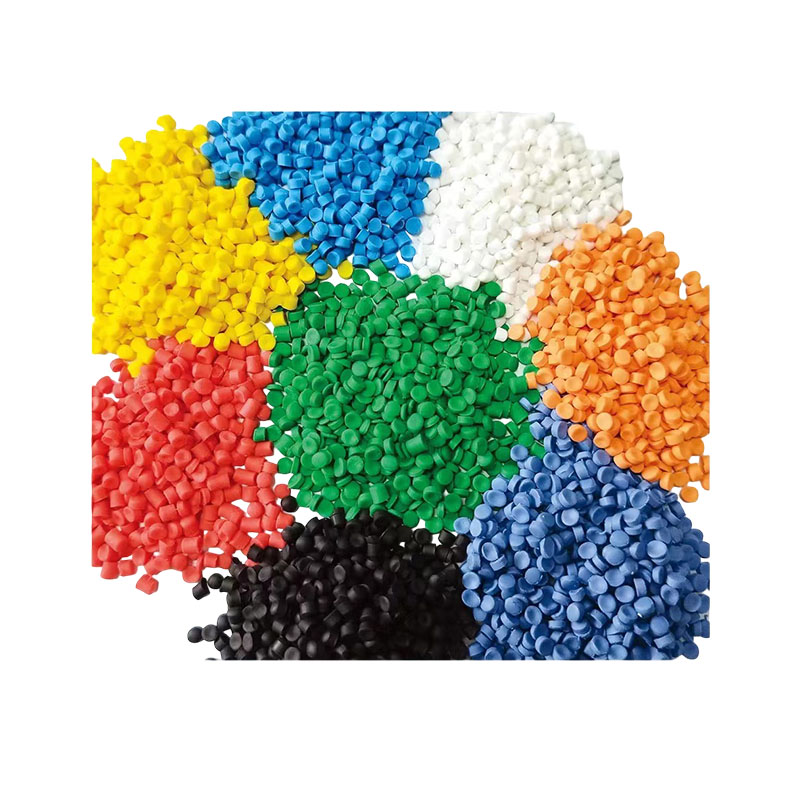
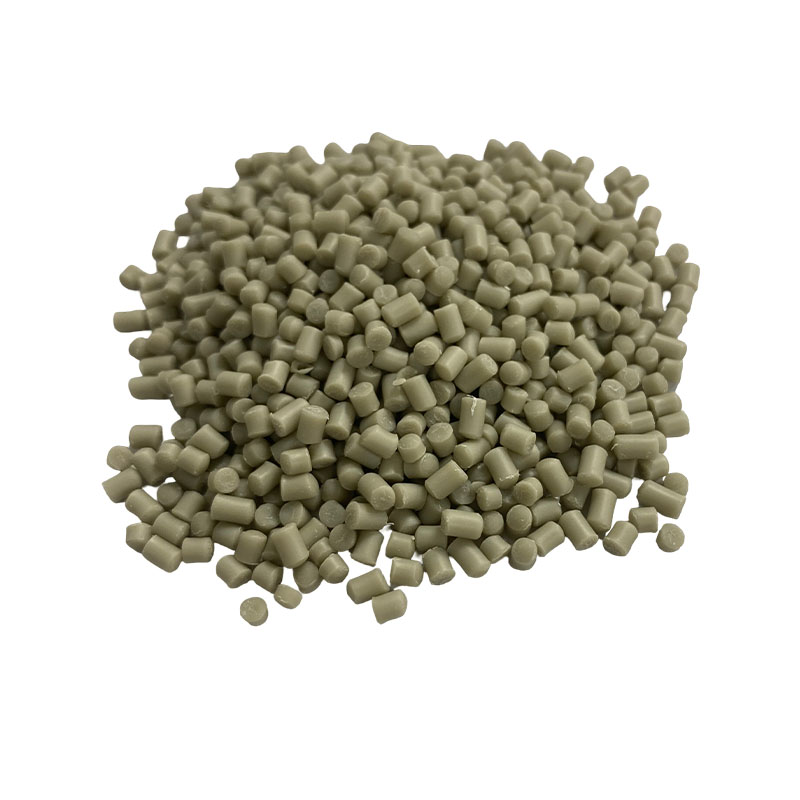
Following the internal mixing phase, the homogenized batch is typically discharged into a twin-screw granulator or extruder for pelletizing. Because the internal mixer has already achieved a near-perfect state of dispersion, the twin-screw machine can focus on gently conveying and shaping the material without needing to perform heavy-duty mixing. This sequential processing minimizes additional shear heating and preserves the uniformity established in the first stage. The result is a batch of XLPE granules where the distribution of additives is consistent from pellet to pellet, guaranteeing that the final extruded wire possesses uniform thickness, consistent flame-retardant properties (such as the FT2 rating), and reliable resistance to environmental stress cracking.
In conclusion, internal mixing serves as the cornerstone of quality assurance in XLPE cable material production. Through the synergistic application of high shear, precise temperature regulation, and mechanical compression, it ensures that every microscopic component is evenly distributed throughout the polymer matrix. This foundational step eliminates defects, prevents premature curing, and establishes the stable performance characteristics necessary for cables to meet rigorous industry standards like UL1581 and UL758. Without the thorough homogenization provided by internal mixing, the advanced capabilities of temperature-resistant and flame-retardant XLPE wires would simply not be achievable.
Internal mixing begins with the precise introduction of raw ingredients into the sealed chamber of an internal mixer, such as a Banbury mixer or a similar high-intensity compounding device. Unlike simple blending methods, the internal mixer utilizes two counter-rotating rotors with complex geometries. As these rotors turn, they force the solid polyethylene pellets and powdered additives through narrow clearances between the rotors and the chamber walls. This action generates intense shear stress and frictional heat, which rapidly melts the polymer base and breaks down agglomerates of solid additives. The chaotic yet controlled flow patterns created by the rotors ensure that every particle of antioxidant, flame retardant, or cross-linking agent is thoroughly wetted by the molten polyethylene, preventing the formation of dry spots or unmixed pockets.
A key advantage of internal mixing for XLPE materials is its ability to manage thermal history and prevent premature cross-linking, often referred to as "scorch." The mixing chamber is equipped with advanced cooling systems that allow operators to maintain the melt temperature within a very specific window. This is crucial because XLPE formulations contain chemical cross-linking agents that can activate if exposed to excessive heat for too long. By carefully balancing the heat generated by mechanical shear with active cooling, internal mixing achieves perfect plasticization and dispersion without triggering the curing process prematurely. This precise thermal control ensures that the reactive components remain dormant until the material reaches the final extrusion and vulcanization stages.
Furthermore, the internal mixer operates under significant pressure, compressing the molten mass to eliminate trapped air and voids. Air entrapment is a common defect in cable insulation that can lead to partial discharges and eventual dielectric failure under high voltage. The compression capability of the internal mixer forces out these microscopic air pockets, resulting in a dense, bubble-free compound. This densification not only improves the electrical integrity of the cable but also contributes to the physical stability of the material during the subsequent granulation and extrusion processes. A void-free mixture translates directly to a smoother wire surface and reduced slag buildup at the die mouth during manufacturing.
Following the internal mixing phase, the homogenized batch is typically discharged into a twin-screw granulator or extruder for pelletizing. Because the internal mixer has already achieved a near-perfect state of dispersion, the twin-screw machine can focus on gently conveying and shaping the material without needing to perform heavy-duty mixing. This sequential processing minimizes additional shear heating and preserves the uniformity established in the first stage. The result is a batch of XLPE granules where the distribution of additives is consistent from pellet to pellet, guaranteeing that the final extruded wire possesses uniform thickness, consistent flame-retardant properties (such as the FT2 rating), and reliable resistance to environmental stress cracking.
In conclusion, internal mixing serves as the cornerstone of quality assurance in XLPE cable material production. Through the synergistic application of high shear, precise temperature regulation, and mechanical compression, it ensures that every microscopic component is evenly distributed throughout the polymer matrix. This foundational step eliminates defects, prevents premature curing, and establishes the stable performance characteristics necessary for cables to meet rigorous industry standards like UL1581 and UL758. Without the thorough homogenization provided by internal mixing, the advanced capabilities of temperature-resistant and flame-retardant XLPE wires would simply not be achievable.