


How has heat shrink tubing become a core material for industrial protection due to its stable manufacturing process and diverse applications?
Release Time : 2026-04-15
In many fields such as electronics, electrical engineering, machinery manufacturing, and outdoor facilities, the protective performance of materials directly affects the product's lifespan and operational safety. As a heat-shrinkable material with "shape memory" properties, heat shrink tubing, with its excellent insulation, corrosion resistance, and anti-slip properties, as well as stable manufacturing processes and diverse product forms, has become an indispensable core component in industrial protection systems. From double-walled tubing to anti-slip patterned tubing, from wire harness insulation to metal rust prevention, heat shrink tubing, with its precise performance adaptation and efficient processing advantages, constructs a comprehensive protective barrier for various products.
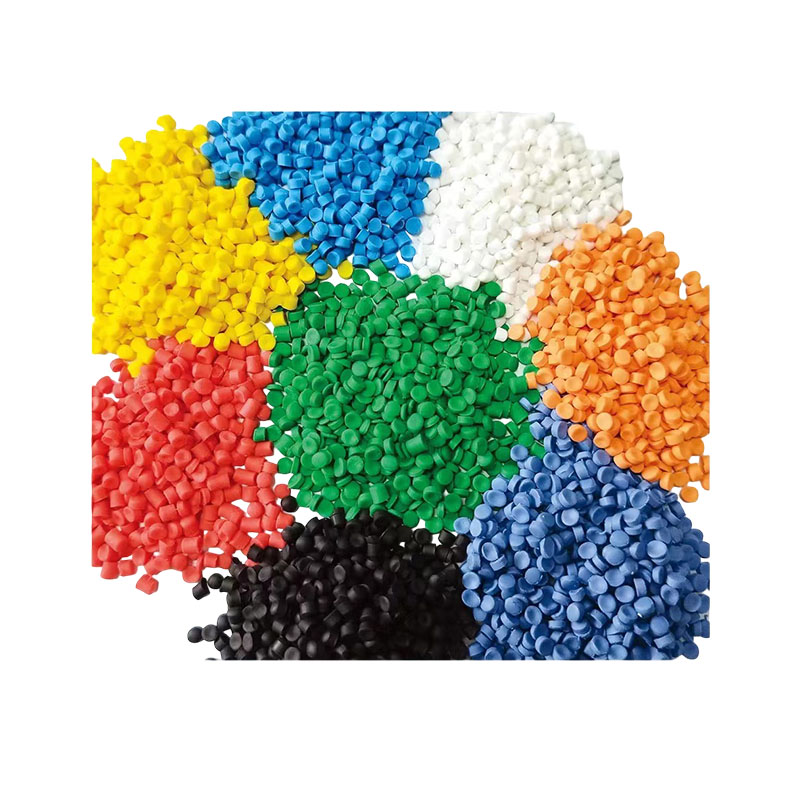
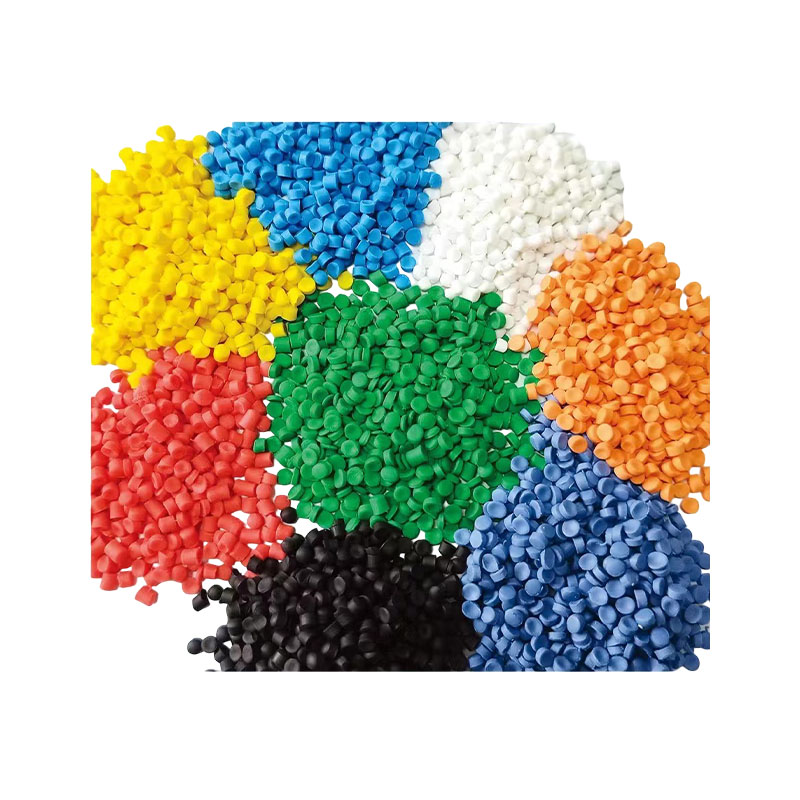
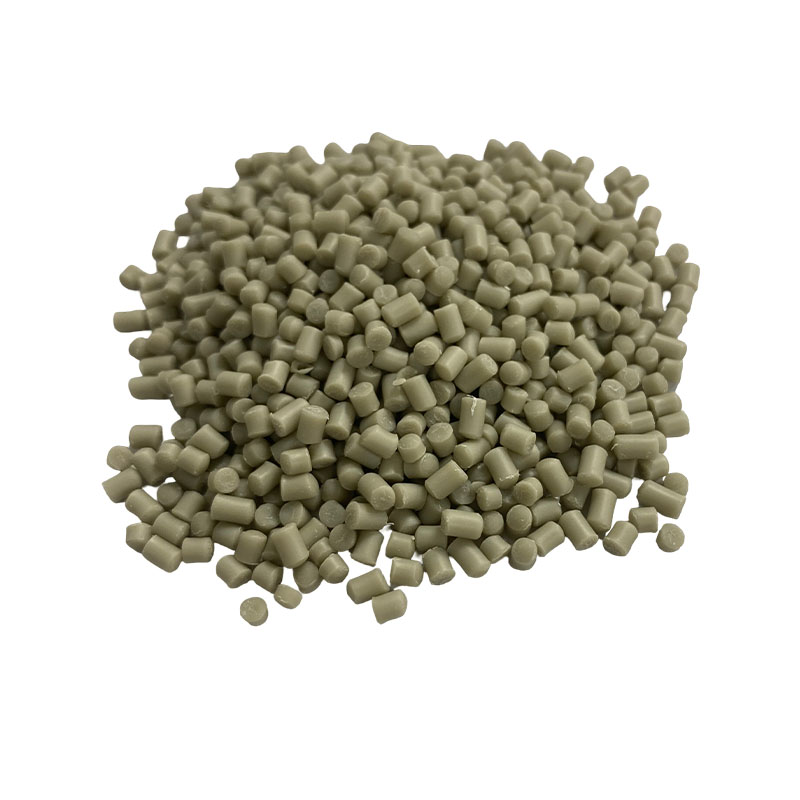
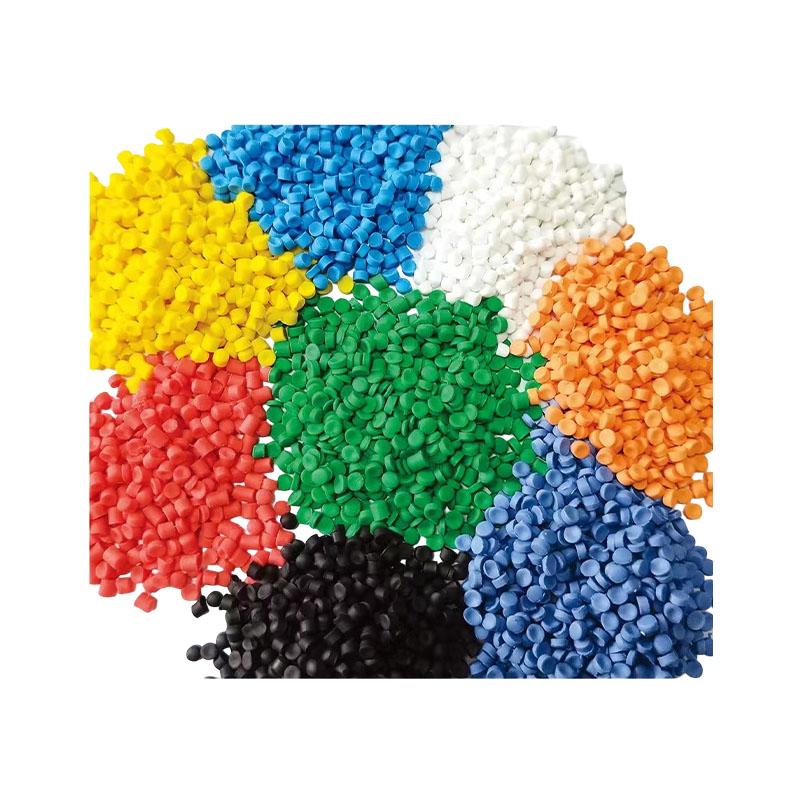
The core competitiveness of heat shrink tubing stems from its sophisticated manufacturing process and stable material properties. This type of material uses a twin-screw plasticizing extrusion granulation process, where polyolefins, flame retardants, additives, and other components are thoroughly mixed and compressed through an internal mixer, ensuring uniform dispersion of each component and guaranteeing the consistency of material performance from the source. This process not only produces a smooth, flat surface on the extruded heat shrink tubing, free of bubbles and impurities, but also achieves minimal material buildup at the die orifice and stable expansion, significantly improving the yield. The stable process foundation endows heat shrink tubing with soft and elastic physical properties, allowing it to tightly conform to various irregular shapes, achieving seamless wrapping from delicate wire harnesses to robust busbars. Simultaneously, its low shrinkage temperature and fast shrinkage speed make processing more efficient and convenient, requiring no complex equipment for installation, thus reducing production and maintenance costs.
The diverse product forms allow heat shrink tubing to precisely adapt to the protection needs of different scenarios. Double-walled heat shrink tubing employs a composite structure of an outer polyolefin layer and an inner hot-melt adhesive layer. When heated and shrinking, the inner adhesive melts and fills the gaps, forming a waterproof seal, suitable for applications requiring moisture and water resistance, such as wire harness connectors and underground cables. Single-walled tubing, with its thin and flexible characteristics, is an ideal choice for insulating and protecting electronic components and solder joints, effectively preventing current leakage without taking up too much space. Medium-thick wall heat shrink tubing, with its superior mechanical strength, provides wear-resistant and impact-resistant protection for busbars and metal conduits. Anti-slip patterned tubing, with its special surface texture design, increases friction for parts such as fitness equipment handles and fishing tackle grips, preventing slippage and safety hazards. This "select-as-you-go" product matrix allows heat shrink tubing to cover a wide range of fields, from precision electronics to heavy machinery.
Excellent insulation and corrosion resistance are the foundation of heat shrink tubing's success in the industrial protection field. Its polyolefin substrate possesses extremely high volume resistivity and breakdown strength, effectively isolating current and preventing short circuits and leakage accidents in components such as wire harnesses and inductors, thus safeguarding the safe operation of electrical systems. For metal pipes and rods, the dense protective layer formed by heat shrink tubing can isolate air, moisture, and acidic or alkaline substances, eliminating rust and corrosion at the source, making it particularly suitable for harsh conditions such as marine environments and chemical facilities. In outdoor installations, the weather resistance and UV resistance of heat shrink tubing allow it to withstand sunlight and rain for extended periods, maintaining its protective performance and significantly extending the lifespan of the protected products.
From wire harness insulation in electronic devices to anti-slip treatment for fitness equipment, from corrosion and rust prevention of metal materials to inductor encapsulation protection, heat shrink tubing, with its stable process, diverse forms, and superior performance, has achieved a leap from "auxiliary material" to "protective core." It not only solves the pain points of poor sealing and insufficient durability of traditional protection methods but also provides reliable protection solutions for industrial production and product development with its efficient processing characteristics and wide applicability. With the manufacturing industry trending towards refinement and durability, heat shrink tubing is continuously safeguarding the safety and quality of various products with its irreplaceable value.
The core competitiveness of heat shrink tubing stems from its sophisticated manufacturing process and stable material properties. This type of material uses a twin-screw plasticizing extrusion granulation process, where polyolefins, flame retardants, additives, and other components are thoroughly mixed and compressed through an internal mixer, ensuring uniform dispersion of each component and guaranteeing the consistency of material performance from the source. This process not only produces a smooth, flat surface on the extruded heat shrink tubing, free of bubbles and impurities, but also achieves minimal material buildup at the die orifice and stable expansion, significantly improving the yield. The stable process foundation endows heat shrink tubing with soft and elastic physical properties, allowing it to tightly conform to various irregular shapes, achieving seamless wrapping from delicate wire harnesses to robust busbars. Simultaneously, its low shrinkage temperature and fast shrinkage speed make processing more efficient and convenient, requiring no complex equipment for installation, thus reducing production and maintenance costs.
The diverse product forms allow heat shrink tubing to precisely adapt to the protection needs of different scenarios. Double-walled heat shrink tubing employs a composite structure of an outer polyolefin layer and an inner hot-melt adhesive layer. When heated and shrinking, the inner adhesive melts and fills the gaps, forming a waterproof seal, suitable for applications requiring moisture and water resistance, such as wire harness connectors and underground cables. Single-walled tubing, with its thin and flexible characteristics, is an ideal choice for insulating and protecting electronic components and solder joints, effectively preventing current leakage without taking up too much space. Medium-thick wall heat shrink tubing, with its superior mechanical strength, provides wear-resistant and impact-resistant protection for busbars and metal conduits. Anti-slip patterned tubing, with its special surface texture design, increases friction for parts such as fitness equipment handles and fishing tackle grips, preventing slippage and safety hazards. This "select-as-you-go" product matrix allows heat shrink tubing to cover a wide range of fields, from precision electronics to heavy machinery.
Excellent insulation and corrosion resistance are the foundation of heat shrink tubing's success in the industrial protection field. Its polyolefin substrate possesses extremely high volume resistivity and breakdown strength, effectively isolating current and preventing short circuits and leakage accidents in components such as wire harnesses and inductors, thus safeguarding the safe operation of electrical systems. For metal pipes and rods, the dense protective layer formed by heat shrink tubing can isolate air, moisture, and acidic or alkaline substances, eliminating rust and corrosion at the source, making it particularly suitable for harsh conditions such as marine environments and chemical facilities. In outdoor installations, the weather resistance and UV resistance of heat shrink tubing allow it to withstand sunlight and rain for extended periods, maintaining its protective performance and significantly extending the lifespan of the protected products.
From wire harness insulation in electronic devices to anti-slip treatment for fitness equipment, from corrosion and rust prevention of metal materials to inductor encapsulation protection, heat shrink tubing, with its stable process, diverse forms, and superior performance, has achieved a leap from "auxiliary material" to "protective core." It not only solves the pain points of poor sealing and insufficient durability of traditional protection methods but also provides reliable protection solutions for industrial production and product development with its efficient processing characteristics and wide applicability. With the manufacturing industry trending towards refinement and durability, heat shrink tubing is continuously safeguarding the safety and quality of various products with its irreplaceable value.