


How does vitrified polyolefin cable material transform from a polymer to a ceramic-like hard shell under high-temperature flames?
Release Time : 2026-02-24
In modern urban buildings and critical infrastructure, the fire safety of power systems is paramount. In the event of a fire, traditional cables often melt rapidly at high temperatures, short-circuit, or even drip burning materials, exacerbating the spread of the fire. The emergence of ceramicized polyolefin cable materials has completely changed this situation. Vitrified polyolefin cable material not only possesses environmentally friendly and safe properties such as low smoke, halogen-free, and flame retardant characteristics, but it also achieves a remarkable transformation from a flexible polymer to a hard ceramic-like shell under high-temperature flames, building a "firewall" for the cable.
1. Material Essence: Intelligent Fusion of Polymer Matrix and Inorganic Fillers
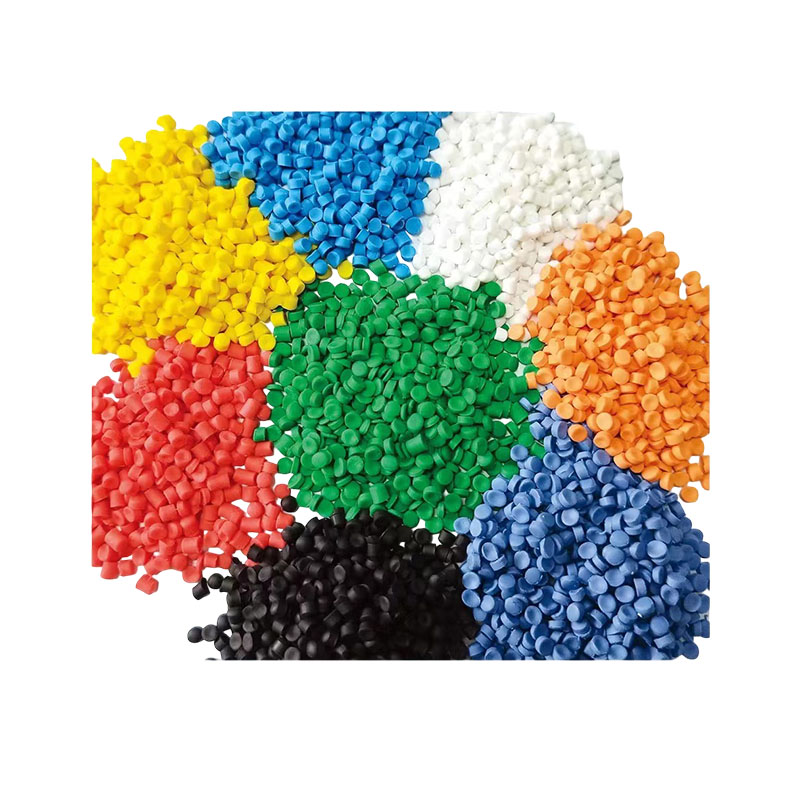
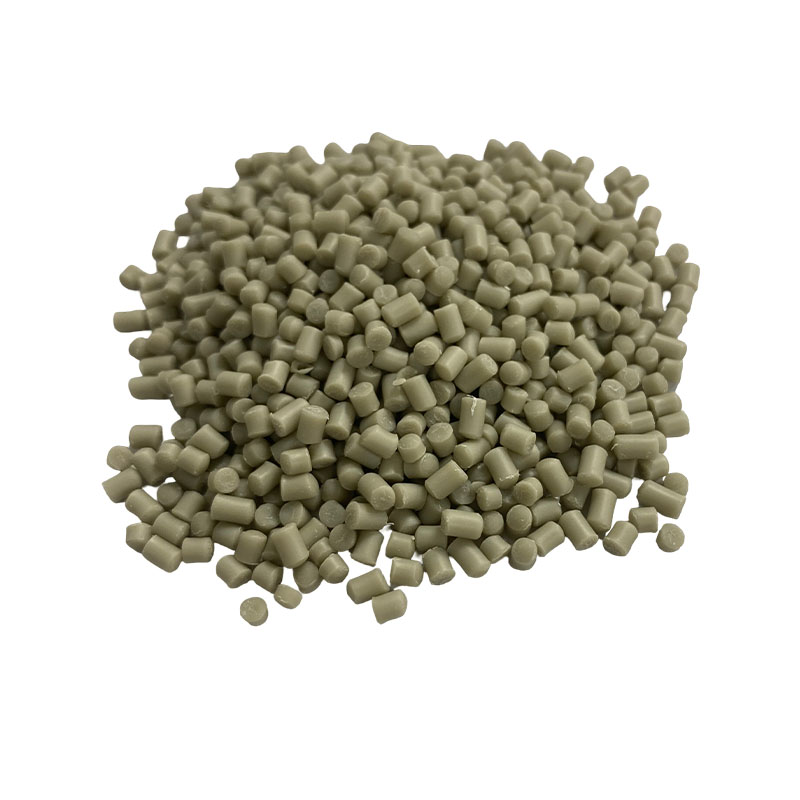
Vitrified polyolefin cable material is an organic-inorganic composite system. Its base is a polyolefin polymer, giving the material excellent insulation, flexibility, and processing performance. The key lies in the uniform dispersion of a high proportion of special inorganic fillers, such as borates, silicates, talc, and ceramic-forming aids. These fillers coexist with the polymer at room temperature without interfering with each other; however, under high-temperature flames, they become the core of the "ceramization reaction." When the temperature rises above 500℃, the polymer matrix begins to pyrolyze and carbonize, releasing inert gases to inhibit combustion, while simultaneously providing a carbon source and reaction interface for the sintering of inorganic components.
2. High-Temperature Sintering: A Three-Step Process from Softening to Ceramization
When the cable is exposed to a flame, the material undergoes three key transformation stages:
Pyrolysis and Carbonization Stage: Organic components gradually decompose, forming a porous carbon layer that initially insulates against heat;
Inorganic Flow and Fusion Stage: Under the action of flux, the ceramic fillers begin to soften and flow, filling the pores of the carbon layer;
High-Temperature Sintering and Ceramic Formation Stage: Solid-phase reactions and liquid-phase sintering occur between inorganic materials, forming a continuous, dense, and hard ceramic network structure.
This process is similar to the firing of traditional ceramics, ultimately forming a complete, non-melting, non-dripping, and crack-resistant ceramic-like hard shell on the cable surface, like a "fireproof armor" for the cable.
3. Protective Performance and Engineering Value of the Ceramic Shell
This high-temperature formed ceramic shell possesses excellent thermal insulation, fire resistance, and mechanical strength. It effectively blocks the inward conduction of flames and high temperatures, ensuring that the cable conductor can maintain power for more than 90 minutes in a fire, meeting Class A fire resistance standards. More importantly, the shell will not crack or detach due to sudden temperature changes or water spray, exhibiting excellent thermal shock resistance. Simultaneously, it produces almost no toxic fumes during combustion, meeting the dual requirements of environmental protection and safety in modern buildings. This material can be directly used for the insulation and sheath layers of cables, eliminating the need for additional mica tape wrapping, simplifying the structure and improving reliability.
4. Guarantee of Stable Processing and Uniform Performance
Excellent performance relies on advanced production processes. This material undergoes high-intensity mixing and compression using an internal mixer to ensure high dispersion of inorganic fillers within the polymer matrix, preventing agglomeration or performance fluctuations. Subsequently, it is subjected to high-temperature plasticization and uniform extrusion using a twin-screw extruder, achieving full integration and stable output of all components. This process not only guarantees batch-to-batch consistency but also allows it to be integrated with existing cable production lines, enabling efficient and large-scale manufacturing.
From polymer to ceramic, the transformation of vitrified polyolefin cable material represents not only a leap in material form but also an elevation of safety concepts. It uses the power of technology to build an indestructible defense line in the face of flames, safeguarding the power lifeline of modern cities.
1. Material Essence: Intelligent Fusion of Polymer Matrix and Inorganic Fillers
Vitrified polyolefin cable material is an organic-inorganic composite system. Its base is a polyolefin polymer, giving the material excellent insulation, flexibility, and processing performance. The key lies in the uniform dispersion of a high proportion of special inorganic fillers, such as borates, silicates, talc, and ceramic-forming aids. These fillers coexist with the polymer at room temperature without interfering with each other; however, under high-temperature flames, they become the core of the "ceramization reaction." When the temperature rises above 500℃, the polymer matrix begins to pyrolyze and carbonize, releasing inert gases to inhibit combustion, while simultaneously providing a carbon source and reaction interface for the sintering of inorganic components.
2. High-Temperature Sintering: A Three-Step Process from Softening to Ceramization
When the cable is exposed to a flame, the material undergoes three key transformation stages:
Pyrolysis and Carbonization Stage: Organic components gradually decompose, forming a porous carbon layer that initially insulates against heat;
Inorganic Flow and Fusion Stage: Under the action of flux, the ceramic fillers begin to soften and flow, filling the pores of the carbon layer;
High-Temperature Sintering and Ceramic Formation Stage: Solid-phase reactions and liquid-phase sintering occur between inorganic materials, forming a continuous, dense, and hard ceramic network structure.
This process is similar to the firing of traditional ceramics, ultimately forming a complete, non-melting, non-dripping, and crack-resistant ceramic-like hard shell on the cable surface, like a "fireproof armor" for the cable.
3. Protective Performance and Engineering Value of the Ceramic Shell
This high-temperature formed ceramic shell possesses excellent thermal insulation, fire resistance, and mechanical strength. It effectively blocks the inward conduction of flames and high temperatures, ensuring that the cable conductor can maintain power for more than 90 minutes in a fire, meeting Class A fire resistance standards. More importantly, the shell will not crack or detach due to sudden temperature changes or water spray, exhibiting excellent thermal shock resistance. Simultaneously, it produces almost no toxic fumes during combustion, meeting the dual requirements of environmental protection and safety in modern buildings. This material can be directly used for the insulation and sheath layers of cables, eliminating the need for additional mica tape wrapping, simplifying the structure and improving reliability.
4. Guarantee of Stable Processing and Uniform Performance
Excellent performance relies on advanced production processes. This material undergoes high-intensity mixing and compression using an internal mixer to ensure high dispersion of inorganic fillers within the polymer matrix, preventing agglomeration or performance fluctuations. Subsequently, it is subjected to high-temperature plasticization and uniform extrusion using a twin-screw extruder, achieving full integration and stable output of all components. This process not only guarantees batch-to-batch consistency but also allows it to be integrated with existing cable production lines, enabling efficient and large-scale manufacturing.
From polymer to ceramic, the transformation of vitrified polyolefin cable material represents not only a leap in material form but also an elevation of safety concepts. It uses the power of technology to build an indestructible defense line in the face of flames, safeguarding the power lifeline of modern cities.